The Never-Ending Journey Home: A Traveler's Nightmare
Excitement comes in good times. Hope and excitement are two brothers—inseparable, optimistic, and utterly blind to reality. When there is hope, there is excitement. And when there is excitement, there is usually a disaster waiting around the corner.
Last month, I finally got a break from my tough studies. And God, I had never stayed that long separated from my beloved ones and my beloved place. I had longed to go home—ached for it, dreamed about it, probably muttered about it in my sleep.
Guess what time I woke up on the day of my journey?
The truth? I never slept the whole night. Not a wink. Not a single, sweet blink.
Part One: The Airport Awakening
A friend of mine needed to reach Bangalore airport at 6 AM for his flight. My flight was at 9 AM. Since sharing the cost of a taxi made perfect financial sense, I tagged along like a loyal puppy.
So there I was at the airport. At 4 AM. In the cold winter night.
My excitement fought bravely against the freezing temperature, but the airport chairs fought back harder. We waited for ten—yes, ten—hours. Ten hours of watching sleepy travelers, overpriced coffee, and fluorescent lights that made everyone look like zombies.
Then I received a message on my mobile: my flight schedule had changed from 9 AM to 7 AM.
What?
If I had come late—if I had slept in like a normal human being—I would have missed my flight entirely. Luck, it seemed, had dressed up as my friend Abdul.
Abdul, by the way, turned out to be my accidental philosopher for the night. He talked endlessly about God and human life. His lively discussions about the meaning of existence were so loud that people around us started staring. Big, judging eyes. The kind that say, "Should we call security?"
"Are we terrorists?" I asked my friend. "Why are we getting these beguiling looks?"
Abdul jumped to his usual optimistic conclusion: "Life is like that. To look and learn."
We covered every possible topic: life, old age, meditation, development, India, Bhutan, and—inevitably—girls. Abdul dropped a bombshell: "Girls are the real authors of all problems. Every problem occurs from them. Think."
He gave me many examples. I nodded. I did not agree completely, but I was too tired to argue.
In between these philosophical marathons, we visited the toilet outside the hall two or three times. We both agreed: that airport toilet was better than many living rooms of some poor people. It had soap. It had tissue. It had a faint smell of disappointment, but still.
Part Two: The Frisk and the Flight
By 6 AM, we finally went to the ticket counter. We followed the process, and the process was all in the procedure. I liked that bureaucratic honesty. What I did not like was the behavior of a particularly frisky policeman who frisked me thoroughly. And I mean thoroughly. I felt personally attacked.
Soon we boarded our Jet flight. We ended up in different seats. I felt bored without Abdul. We waved at each other across the aisle like lost children. The man next to me was an old gentleman who slept through the entire journey—which forced me to sleep too. Peer pressure, even at 30,000 feet.
In a blink of an eye, the plane landed at Kolkata airport. Since I had to change flights to Bagdora, I bade Abdul goodbye. He would soon fly to Guwahati. I watched him disappear into the crowd and felt a small pang of loneliness.
Twenty minutes later, I boarded another Jet Connect flight. I counted every minute because I was that excited to reach home. One minute, two, three… almost one hour and seven minutes later, the plane finally landed.
Too long. Way too long.
Part Three: The Strike, The Rickshaw, and The Boiling Blood
But luck, as it turned out, had abandoned me at the baggage claim.
There was a strike. No vehicles were plying toward Phuntsholing. None. Zero. Zilch.
Some fellow Bhutanese travelers huddled together and decided it would be better to take a train from Siliguri. And that was how three of us ended up in a rickety, risky rickshaw for 250 rupees each. The rickshaw made sounds that should not be made by any vehicle with wheels. I prayed to every god Abdul had mentioned.
We booked train tickets. The departure time? Only two hours later. I banged my head on my bag. Why this day? Why me?
At around 5 PM, the local train finally arrived. And someone had told me—lied to me—that the train would be the fastest mode of service. Who said that? I want names.
That train was running at a snail's speed. No, slower. A lazy snail. A snail with a hangover.
My heart was boiling. My mind was incensed. The train stopped every one or two kilometers. Every time it stopped, I wanted to get out and push.
I banged on the train window. "Move fast!" I shouted. "I have to reach Tala! My beloved wife and son are waiting!"
I banged and banged and cursed. The two Bhutanese friends with me dropped another awful news bomb: we would have to take another rickety, risky rickshaw from Hashimara. Another hour or more.
"Maro, jadha!" I shouted into the voidness of the running train. (Translation: roughly, "Kill me, go away!")
Part Four: The Tucson Miracle
At almost 9 PM, we reached Hashimara. By then, I had accepted my fate as a wandering ghost.
But the two friends had someone in Phuntsholing. They had called ahead. Miraculously, a man was waiting with a Tucson car. The car sped off, and I gaped with a small, broken laugh. Finally. Finally.
Within half an hour, we reached Phuntsholing.
On the way, my wife called. She said our Phuntsholing cousin would be coming with our car. I asked him to wait at Tashi Commercial building.
Then my Indian voucher balance reached minus. It stopped working. Such a glitch at such a critical time! I could have thrown my phone into a rice field.
Part Five: The Missing Cousin and the Gold Building
At Phuntsholing, I waited. And waited. No cousin. No car. No sign of anyone at the rendezvous point.
I waited almost twenty minutes. I decided to take a taxi. But on my last quick turn, I saw his car coming—not from Tashi Commercial, but from the Gold Building.
Let me tell you about the Gold Building. There is no gold. It is a rusted, ramshackle building that looks like it might collapse if you sneeze near it.
"What is this?" I cried. "Miscommunication! Pure miscommunication!"
We went to get my car. I shivered at the thought of driving after such a long time. Alone, I started the journey from Phuntsholing—in a frenzy of happiness and exhaustion.
I drove like a man possessed. I drove like my wife and son were disappearing forever. I drove so fast that I reached Tala in one hour—a journey that usually takes one and a half hours or more.
The End: Happy Ending (Finally)
And the rest? Happy ending.
I hugged my family. I ate homemade food. I slept for fourteen hours.
And I swore never to travel again.
(Until next month.)
Moral: Hope and excitement are brothers. But so are disaster and delay. Travel wisely. Pack snacks. And always, always keep your phone charged.
Excitement comes in good times. Hope and excitement are two brothers—inseparable, optimistic, and utterly blind to reality. When there is hope, there is excitement. And when there is excitement, there is usually a disaster waiting around the corner.
Last month, I finally got a break from my tough studies. And God, I had never stayed that long separated from my beloved ones and my beloved place. I had longed to go home—ached for it, dreamed about it, probably muttered about it in my sleep.
Guess what time I woke up on the day of my journey?
The truth? I never slept the whole night. Not a wink. Not a single, sweet blink.
Part One: The Airport Awakening
A friend of mine needed to reach Bangalore airport at 6 AM for his flight. My flight was at 9 AM. Since sharing the cost of a taxi made perfect financial sense, I tagged along like a loyal puppy.
So there I was at the airport. At 4 AM. In the cold winter night.
My excitement fought bravely against the freezing temperature, but the airport chairs fought back harder. We waited for ten—yes, ten—hours. Ten hours of watching sleepy travelers, overpriced coffee, and fluorescent lights that made everyone look like zombies.
Then I received a message on my mobile: my flight schedule had changed from 9 AM to 7 AM.
What?
If I had come late—if I had slept in like a normal human being—I would have missed my flight entirely. Luck, it seemed, had dressed up as my friend Abdul.
Abdul, by the way, turned out to be my accidental philosopher for the night. He talked endlessly about God and human life. His lively discussions about the meaning of existence were so loud that people around us started staring. Big, judging eyes. The kind that say, "Should we call security?"
"Are we terrorists?" I asked my friend. "Why are we getting these beguiling looks?"
Abdul jumped to his usual optimistic conclusion: "Life is like that. To look and learn."
We covered every possible topic: life, old age, meditation, development, India, Bhutan, and—inevitably—girls. Abdul dropped a bombshell: "Girls are the real authors of all problems. Every problem occurs from them. Think."
He gave me many examples. I nodded. I did not agree completely, but I was too tired to argue.
In between these philosophical marathons, we visited the toilet outside the hall two or three times. We both agreed: that airport toilet was better than many living rooms of some poor people. It had soap. It had tissue. It had a faint smell of disappointment, but still.
Part Two: The Frisk and the Flight
By 6 AM, we finally went to the ticket counter. We followed the process, and the process was all in the procedure. I liked that bureaucratic honesty. What I did not like was the behavior of a particularly frisky policeman who frisked me thoroughly. And I mean thoroughly. I felt personally attacked.
Soon we boarded our Jet flight. We ended up in different seats. I felt bored without Abdul. We waved at each other across the aisle like lost children. The man next to me was an old gentleman who slept through the entire journey—which forced me to sleep too. Peer pressure, even at 30,000 feet.
In a blink of an eye, the plane landed at Kolkata airport. Since I had to change flights to Bagdora, I bade Abdul goodbye. He would soon fly to Guwahati. I watched him disappear into the crowd and felt a small pang of loneliness.
Twenty minutes later, I boarded another Jet Connect flight. I counted every minute because I was that excited to reach home. One minute, two, three… almost one hour and seven minutes later, the plane finally landed.
Too long. Way too long.
Part Three: The Strike, The Rickshaw, and The Boiling Blood
But luck, as it turned out, had abandoned me at the baggage claim.
There was a strike. No vehicles were plying toward Phuntsholing. None. Zero. Zilch.
Some fellow Bhutanese travelers huddled together and decided it would be better to take a train from Siliguri. And that was how three of us ended up in a rickety, risky rickshaw for 250 rupees each. The rickshaw made sounds that should not be made by any vehicle with wheels. I prayed to every god Abdul had mentioned.
We booked train tickets. The departure time? Only two hours later. I banged my head on my bag. Why this day? Why me?
At around 5 PM, the local train finally arrived. And someone had told me—lied to me—that the train would be the fastest mode of service. Who said that? I want names.
That train was running at a snail's speed. No, slower. A lazy snail. A snail with a hangover.
My heart was boiling. My mind was incensed. The train stopped every one or two kilometers. Every time it stopped, I wanted to get out and push.
I banged on the train window. "Move fast!" I shouted. "I have to reach Tala! My beloved wife and son are waiting!"
I banged and banged and cursed. The two Bhutanese friends with me dropped another awful news bomb: we would have to take another rickety, risky rickshaw from Hashimara. Another hour or more.
"Maro, jadha!" I shouted into the voidness of the running train. (Translation: roughly, "Kill me, go away!")
Part Four: The Tucson Miracle
At almost 9 PM, we reached Hashimara. By then, I had accepted my fate as a wandering ghost.
But the two friends had someone in Phuntsholing. They had called ahead. Miraculously, a man was waiting with a Tucson car. The car sped off, and I gaped with a small, broken laugh. Finally. Finally.
Within half an hour, we reached Phuntsholing.
On the way, my wife called. She said our Phuntsholing cousin would be coming with our car. I asked him to wait at Tashi Commercial building.
Then my Indian voucher balance reached minus. It stopped working. Such a glitch at such a critical time! I could have thrown my phone into a rice field.
Part Five: The Missing Cousin and the Gold Building
At Phuntsholing, I waited. And waited. No cousin. No car. No sign of anyone at the rendezvous point.
I waited almost twenty minutes. I decided to take a taxi. But on my last quick turn, I saw his car coming—not from Tashi Commercial, but from the Gold Building.
Let me tell you about the Gold Building. There is no gold. It is a rusted, ramshackle building that looks like it might collapse if you sneeze near it.
"What is this?" I cried. "Miscommunication! Pure miscommunication!"
We went to get my car. I shivered at the thought of driving after such a long time. Alone, I started the journey from Phuntsholing—in a frenzy of happiness and exhaustion.
I drove like a man possessed. I drove like my wife and son were disappearing forever. I drove so fast that I reached Tala in one hour—a journey that usually takes one and a half hours or more.
The End: Happy Ending (Finally)
And the rest? Happy ending.
I hugged my family. I ate homemade food. I slept for fourteen hours.
And I swore never to travel again.
(Until next month.)
Moral: Hope and excitement are brothers. But so are disaster and delay. Travel wisely. Pack snacks. And always, always keep your phone charged.
Below are some photographs of my journey.
 |
| Day in and day out Bangalore airport is busy |
 |
| Sperms of light outside the building in the night |
 |
| This is how Abdul and I waited talking about life and in-between flashing |
 |
| The tunnel of life |
 |
| We need wings to fly |
 |
| Aerial view of Kolkata city |
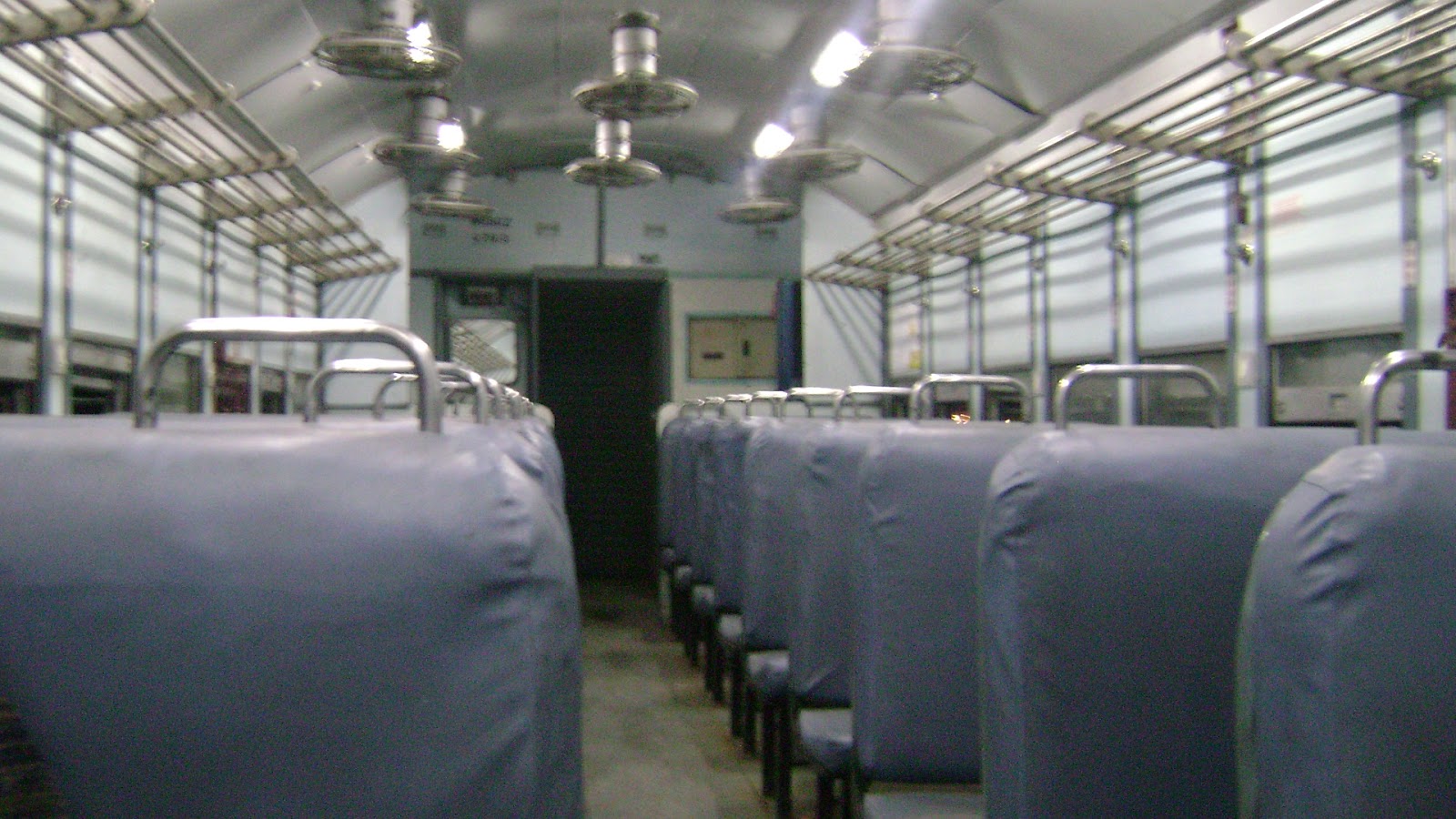 |
| Local train from Siliguri to…? chugging without passenger and running at a snail's speed |