Sunday, May 13, 2012

The Trip

Yesterday, our class—along with three professors—visited three legendary temples in Belur, Halebeedu, and Shravanabelagola. The total journey was about 222 kilometers from Bangalore. It was a long ride, but worth every bump in the road.

These places house some of the most impressive historical temples I have ever seen. Every piece of art and architecture is carved from stone—massive boulders and the tiniest pebble-sized fragments alike—each revealing rich, intricate details. Thousands of different Indian inscriptions and motifs cover the surfaces like a stone encyclopedia no one can fully decode.

The monuments are nothing short of wonderful. They depict religious history, mosaic patterns, scenes of music and dance, and stories I could not stop staring at. The stone craftsmanship is so perfectly finished that it almost feels unreal.

I honestly doubt that any mere human mortal could have done this sculpturing. There is no question in my mind: gods and goddesses must have lent their hands. Another legend says that superpower kings erected these structures using resources and skills we have long forgotten. (I bought a travel guidebook to learn more—because my curiosity was bigger than my wallet.)

These temples were built around the 11th and 12th centuries, during the Indian Vedic periods. That is nearly a thousand years ago. And yet, here they stand—defying weather, war, and wear.

Every day, thousands of people visit these temples, both from within India and from every corner of the world. And after yesterday, I completely understand why.

I have taken several packs of photos of these museums and temples. Below are a few of them. After all, a picture speaks more than a thousand words—and my words are already tired from all that walking.


The view from the Shravanabelagola' s temple
Looks like Roman architecture-outside of the Shravanabelagola's temple


There are similar structures around

People moving up to see the inner sanctum
Stone monolithic stands rain or shine

Rock crafted statuettes


Inside the structures...
Statues stand high watching
Belur star-shaped temple
Monkeys like sculptors casted out of huge stones

Where are we to go now?
Rows of magnificent works 

Intricate stone edifices
Roman Colosseum building like
Belur busy temple

Towering temple in Belur
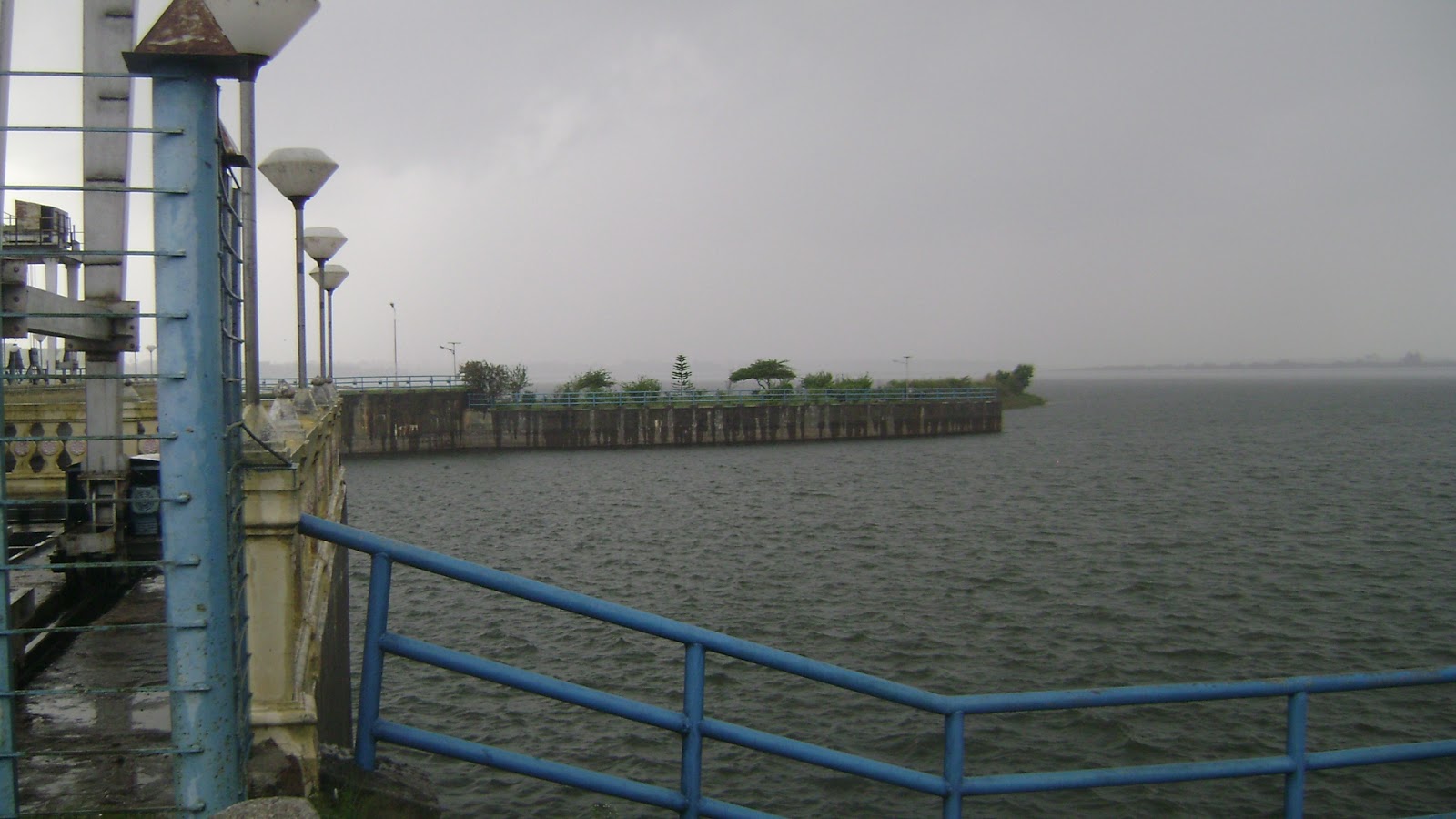
In between, we sneak out to see a dam nearby
This is Halebeedu, a small part of the temple 
There are many Buddha-like statues in all temples

Showing different motifs
Furious Lord
Depicting wars
I am the most handsome of all. Ha...ha...ha!!!
Singing Lords
And dancing Lords
Uh...ah...come on to the last photo
A kaleidoscope of Halebeedu's temple


And the last one isPhew...turn ur computer to see the magnificent colossal statue of Gommateshwar, which stands 58ft 8 inches and considered to be the world's largest monolithic stone statue. There are many stories attributed to this monolithic. You may Google it the easiest i think.


The Temple of Belur, Halebeedu, and Shravanabelagola are difficult to pronounce but very promising places to go. There are so many things to learn from those devoted pilgrimages and tourists, but not for a couple dating, supposedly…haha.

Friday, May 11, 2012

The, Long, and Other Dangerous Words


(Reader's Restriction: The humour below is intended only for a mature audience, as it contains suggestive language. The writing does not propagate or blame any language or culture—it merely laughs at the beautiful mess of cross-linguistic accidents.)

I was born into the complicated world of The and Long. Much as I have equipped myself with these phonetics over the years, I still find them devilishly difficult to pronounce. And sometimes I wonder: why on earth do these two words—sounding so painfully similar—have such wildly different meanings depending on which language you're standing in?

The and Long can contort faces. They can strike fear into the hearts of a certain group of people in Bhutan—especially us Sharchokpas. Whenever I have to use these innocent English words, I deploy them with the caution of a bomb disposal expert. A peculiar American the (with that soft, rolling thhhh) sounds very close to our brother's slang for a certain part of the male anatomy. And don't get me wrong—I love a distinct American accent. But before I utter these English words, I glance around nervously. Left. Right. Behind. If there are rowdies nearby, I swallow the word whole. Otherwise, we might end up in a long, uncomfortable "guff" talk about nothing in particular—using nothing but these accidental slangs.

I have developed some uneasy, neurotic hunches about using these two Bhutanese slangs in front of my students—especially my Sharchokpa students. (Though let's be honest: everyone knows these slangs now. Ngalops, Lhotsampas, the person next door—all of them.) The worst part? These hesitant, dangerous words often slip out unnoticed, aimed at the wrong people. But I teach in an English-speaking classroom. Surely I shouldn't be blamed for speaking English. Right? Right?

In one of my classes, the students had grown bored after a series of dull lectures. They asked me about my free time. "We have a long class, sir," they said. "We want to enjoy long now."

I froze. Were my students making fun of the word long? Or was this mockery directed at me for using it so often? "To enjoy the long?" I flashed a small, nervous smile and continued. "Thus, we will have a long break then."

"Yes, thus, thus," some naughty students chimed in. Then they twisted their mouths weirdly and pronounced the word thus as t(h)ues—at which point the girls buried their faces in their desks for an uncomfortably long time.

No problem. I was gently forced out of the classroom after exchanging some quick, guilty laughter with the mischievous boys.

For those who have not yet had the pleasure of this cultural revelation:

· Long and The (when spoken in a certain Sharchokpa-accented way) are highly derogatory terms for the male organ. Yes, that one.
· And thus—if mispronounced with a slight lisp or a misplaced tongue—can refer to the female organ.

So there I was, a geography teacher, accidentally turning a grammar lesson into an anatomy lesson. I don't recall that being in my job description.

These days, I try to substitute the word long with any number of synonyms: lengthy, extensive, elongated, prolonged, stretched-out-like-a-rubber-band. You name it, I've tried it. But for small children in school, long must remain long—just long. And the must remain the. Innocent. Pure. Uncontaminated. Like a freshly washed whiteboard.

But here's the tragedy: these two words are also among the most offensive utterances one can make in Bhutan when angry or utterly hopeless. So the same sound that a toddler uses to describe a snake can also start a fistfight. The same sound that a grandmother uses to say "the house" can also get you expelled from a family gathering.

The and long are among the most commonly used words in the English language. And I must use them every single day. God help me. God help my students. God help the poor soul who has to sit next to me during open mic night.

Take care, and… THE LONG goodbye. See you next time—preferably without any accidental slangs.


Monday, May 7, 2012

Who Cleans the Toilet in your School?


Besides teaching, the extent of a teacher’s work nowadays has reached… toilet cleaning. So often, I find myself asking: what exactly is a teacher’s real job? To teach? Or to scrub a commode? And don’t get me started on “wholesome education.” This so-called wholesome education has turned teachers’ lives into a special kind of hell. It has chopped us into bits and parts—like a human salad no one ordered.

Some may call toilet cleaning the dignity of labour. Fine. But the “model teacher” description has become as clichéd as a motivational poster in a staffroom. What do students really want at the end of the day? Good passing marks. No big deal! The real imparters of wholesome education—these jack-of-all-trades knowledge machines—are themselves deeply unwholesome. “Everyone cannot be whole, sir. Some must be parts,” said a naughty student in my class, turning my face blacker than a burnt chapati in front of everyone. I had just complained about his indiscipline. And you know what? He’s right. And that’s dangerous. To be a jack of all trades and master of none—that’s what our system teaches. No specific skill, just blunt poles that won’t jab into the soil. And teachers’ stories are no different these days. Teachers must not only teach, but also strip off their blazers and kick a football between wide posts—or onto students’ shins. Teachers must not only teach, but also dance like monkeys on command. Teachers must sing at the top of their lungs, loudly enough to demotivate any future playback singer in the room. Teachers must dig the ground to sow seeds of a fruit that may never grow. Teachers must be guide, parent, mentor, and the father of all—though they have fathered none.

Toilet cleaning is the new trend at Darla MSS. Darla is the father of toilet cleaning—if other schools follow suit. And where the hell is Darla? Darla was once Tala. Tala is now a money-grinding machine in Bhutan. Hydroelectricity checks the trade balance, especially with India. Somewhere downstream, the lights are on; upstream, we’re holding toilet brushes.

In 2010, out came the teachers’ toilet-cleaning routine. To everyone’s surprise—and I mean genuine, jaw-dropping surprise—it was unexpected. Some laughed at the foolishness. Some made jokes. Some simply refused to use the toilet they had to clean. So many odds and ends came out. It pushed us into a day with a very stressed mind.

Those thoughtless Chamchas groups did whatever they were told. The other half questioned whether it was good or bad. But an order from the head? Many submitted into silence, nodding like broken toys. The Head is the progenitor of all. He is considered omniscient—an all-knowing type of charlatan. Bow before the flush.

Yes, dignity of labour is important. And the basic of all basics is cleaning the toilet. A grand routine was displayed: two lady teachers and two gent teachers, every morning and evening. To make matters worse, there were hues and cries among students. On one of my morning SUPW duties, I clearly heard a student say resentfully, “It best suits teachers—especially that discipline Lopen [name withheld]—to clean the shit.” I pretended not to hear. My soul, however, heard everything.

The real reason we had to clean toilets? No wet sweeper in the school. And the Dzongkhag wasn’t willing to provide one, despite so many unemployed scamps roaming around. Our dry sweeper loved only dry work. But the boys? The boys were wet.

Nobody took it seriously for more than two or three months. I suspect nobody bothered to clean the toilet except a few paranoids. Within this period, the matter worsened. Instead of cleaning the shit, a huge heap of shit was purposely messed near the door of the toilet and on either side of the pots. Intentional. This matter reached the mastermind. Soon, there was a three-hour meeting. On shit. It was the shit meeting—to vomit some hard, undisclosed, and hidden words. Disagreement, agreement, etc. Finally, the big solution: one evaluation criterion would be toilet cleaning. Understood? People must be forced in this democratic country sometimes. “This school is really becoming shit,” concluded our Lopen, who keeps his senses only through high alcohol. The end of a meeting is always welcome. Many times, I wish for a meeting to end before it starts. But beware—not with this life’s ending.

The story of cleaning toilets became quite successful—thanks to the fear of losing PCS marks. The cleaner of the day would wake up early, reach before anyone else, flush the toilet, sweep the passageways, and deodorize like a hotel housekeeper possessed. At closing time, the same routine. Many did. Many didn’t. And now I feel sorry that I malingered and absconded from this civilized work for some days. So, I half-sort-of promise: when I join back, I will be the first one to go inside the toilet… and the first one to come out.

Haha.

Thursday, May 3, 2012

Relish with Dishes


Tawa, Bamya, Dolma, etc. What are these? If you know your way around multi-cuisines, you might recognize them as some Iraqi dishes—just like we Bhutanese have Ama Dhatse, Kewa Dhatse, Shakam, and the glorious army of cheesy, spicy goodness.

They have their own typical ways of preparing food. The rice is fried first, then mixed with lots of oil and just a little water—so steamed food is a rare guest at the table. The curry, on the other hand, drowns in tomatoes. Lots and lots of tomatoes in Tawa and friends, much like we Bhutanese drown everything in chilies. A hike in tomato prices won't stop them, just like we can't stop at one chili. The tomatoes are chopped into the tiniest pieces imaginable, joined by cucumber, carrot, and other poor vegetables that didn’t see it coming. The curry tastes sweet-salty—but surprisingly, delectable. The only catch? The whole cooking process takes nearly four hours. Yes, four. You could watch two Bollywood movies and still wait for lunch.

“The key to everything is patience. You get the chicken by hatching the egg, not by smashing it up.” My friend Hashim (bless his patient soul) keeps repeating this quote from Arnold Glasgow, the American humorist. True. Though I’ve secretly wanted to smash an egg or two when hungry.

I told Hashim about our Bhutanese food. I even made him taste a chili—just one. His stomach went on a rampage for the entire night. He damned me to be reborn as a chili. That’s another story. Sometimes I call him Tawa, and I suppose that makes me an Ama Dhatse kind of guy.

I’ve fine-tuned myself to his cooking. What I like to call “use to”. One big reason: I have very little work when he cooks. Most of the time, I just help peel a few vegetables and wash them. The rest? He does everything. My job is to reach the dining table, eat whatever has been prepared, and carry the plate to the sink. But honestly, he does most of that too. I suspect he enjoys feeling superior.

I eat and eat—but slowly. I learned this technique back in my boarding school days: eat slowly! Let others charge ahead like starving wolves. I would wait patiently while they finished, aiming for that glorious second serving. And many times, it worked. When the mess in charge announced a second round, my technique paid off like a fixed deposit. Now I use the same strategy with Hashim. “Take it, take it,” he says, shoving more food my way. Lol.

This technique has now become a habit. Even at parties or gatherings, I’m always the last one to reach the food. Slow but steady—and lots and lots of it. But as an adult, I feel this might not be a good thing. Last and more, sometimes last and none. In school, even if there was none left, our mess would prepare something special—butter, fried food, etc. Good that we waited.

So here’s my question to you: did anyone else have a technique like mine? To be last in eating… and first in eating? Or am I just a slow, hungry paradox?


Saturday, April 21, 2012

My Rickety-tricky Journey

The Never-Ending Journey Home: A Traveler's Nightmare

Excitement comes in good times. Hope and excitement are two brothers—inseparable, optimistic, and utterly blind to reality. When there is hope, there is excitement. And when there is excitement, there is usually a disaster waiting around the corner.

Last month, I finally got a break from my tough studies. And God, I had never stayed that long separated from my beloved ones and my beloved place. I had longed to go home—ached for it, dreamed about it, probably muttered about it in my sleep.

Guess what time I woke up on the day of my journey?

The truth? I never slept the whole night. Not a wink. Not a single, sweet blink.


Part One: The Airport Awakening

A friend of mine needed to reach Bangalore airport at 6 AM for his flight. My flight was at 9 AM. Since sharing the cost of a taxi made perfect financial sense, I tagged along like a loyal puppy.

So there I was at the airport. At 4 AM. In the cold winter night.

My excitement fought bravely against the freezing temperature, but the airport chairs fought back harder. We waited for ten—yes, ten—hours. Ten hours of watching sleepy travelers, overpriced coffee, and fluorescent lights that made everyone look like zombies.

Then I received a message on my mobile: my flight schedule had changed from 9 AM to 7 AM.

What?

If I had come late—if I had slept in like a normal human being—I would have missed my flight entirely. Luck, it seemed, had dressed up as my friend Abdul.

Abdul, by the way, turned out to be my accidental philosopher for the night. He talked endlessly about God and human life. His lively discussions about the meaning of existence were so loud that people around us started staring. Big, judging eyes. The kind that say, "Should we call security?"

"Are we terrorists?" I asked my friend. "Why are we getting these beguiling looks?"

Abdul jumped to his usual optimistic conclusion: "Life is like that. To look and learn."

We covered every possible topic: life, old age, meditation, development, India, Bhutan, and—inevitably—girls. Abdul dropped a bombshell: "Girls are the real authors of all problems. Every problem occurs from them. Think."

He gave me many examples. I nodded. I did not agree completely, but I was too tired to argue.

In between these philosophical marathons, we visited the toilet outside the hall two or three times. We both agreed: that airport toilet was better than many living rooms of some poor people. It had soap. It had tissue. It had a faint smell of disappointment, but still.


Part Two: The Frisk and the Flight

By 6 AM, we finally went to the ticket counter. We followed the process, and the process was all in the procedure. I liked that bureaucratic honesty. What I did not like was the behavior of a particularly frisky policeman who frisked me thoroughly. And I mean thoroughly. I felt personally attacked.

Soon we boarded our Jet flight. We ended up in different seats. I felt bored without Abdul. We waved at each other across the aisle like lost children. The man next to me was an old gentleman who slept through the entire journey—which forced me to sleep too. Peer pressure, even at 30,000 feet.

In a blink of an eye, the plane landed at Kolkata airport. Since I had to change flights to Bagdora, I bade Abdul goodbye. He would soon fly to Guwahati. I watched him disappear into the crowd and felt a small pang of loneliness.

Twenty minutes later, I boarded another Jet Connect flight. I counted every minute because I was that excited to reach home. One minute, two, three… almost one hour and seven minutes later, the plane finally landed.

Too long. Way too long.


Part Three: The Strike, The Rickshaw, and The Boiling Blood

But luck, as it turned out, had abandoned me at the baggage claim.

There was a strike. No vehicles were plying toward Phuntsholing. None. Zero. Zilch.

Some fellow Bhutanese travelers huddled together and decided it would be better to take a train from Siliguri. And that was how three of us ended up in a rickety, risky rickshaw for 250 rupees each. The rickshaw made sounds that should not be made by any vehicle with wheels. I prayed to every god Abdul had mentioned.

We booked train tickets. The departure time? Only two hours later. I banged my head on my bag. Why this day? Why me?

At around 5 PM, the local train finally arrived. And someone had told me—lied to me—that the train would be the fastest mode of service. Who said that? I want names.

That train was running at a snail's speed. No, slower. A lazy snail. A snail with a hangover.

My heart was boiling. My mind was incensed. The train stopped every one or two kilometers. Every time it stopped, I wanted to get out and push.

I banged on the train window. "Move fast!" I shouted. "I have to reach Tala! My beloved wife and son are waiting!"

I banged and banged and cursed. The two Bhutanese friends with me dropped another awful news bomb: we would have to take another rickety, risky rickshaw from Hashimara. Another hour or more.

"Maro, jadha!" I shouted into the voidness of the running train. (Translation: roughly, "Kill me, go away!")


Part Four: The Tucson Miracle

At almost 9 PM, we reached Hashimara. By then, I had accepted my fate as a wandering ghost.

But the two friends had someone in Phuntsholing. They had called ahead. Miraculously, a man was waiting with a Tucson car. The car sped off, and I gaped with a small, broken laugh. Finally. Finally.

Within half an hour, we reached Phuntsholing.

On the way, my wife called. She said our Phuntsholing cousin would be coming with our car. I asked him to wait at Tashi Commercial building.

Then my Indian voucher balance reached minus. It stopped working. Such a glitch at such a critical time! I could have thrown my phone into a rice field.


Part Five: The Missing Cousin and the Gold Building

At Phuntsholing, I waited. And waited. No cousin. No car. No sign of anyone at the rendezvous point.

I waited almost twenty minutes. I decided to take a taxi. But on my last quick turn, I saw his car coming—not from Tashi Commercial, but from the Gold Building.

Let me tell you about the Gold Building. There is no gold. It is a rusted, ramshackle building that looks like it might collapse if you sneeze near it.

"What is this?" I cried. "Miscommunication! Pure miscommunication!"

We went to get my car. I shivered at the thought of driving after such a long time. Alone, I started the journey from Phuntsholing—in a frenzy of happiness and exhaustion.

I drove like a man possessed. I drove like my wife and son were disappearing forever. I drove so fast that I reached Tala in one hour—a journey that usually takes one and a half hours or more.


The End: Happy Ending (Finally)

And the rest? Happy ending.

I hugged my family. I ate homemade food. I slept for fourteen hours.

And I swore never to travel again.

(Until next month.)


Moral: Hope and excitement are brothers. But so are disaster and delay. Travel wisely. Pack snacks. And always, always keep your phone charged.

Below are some photographs of my journey.
Day in and day out Bangalore airport is busy
Sperms of light outside the building in the night


This is how Abdul and I waited talking about life and in-between flashing 

The tunnel of life
We need wings to fly

Aerial view of Kolkata city
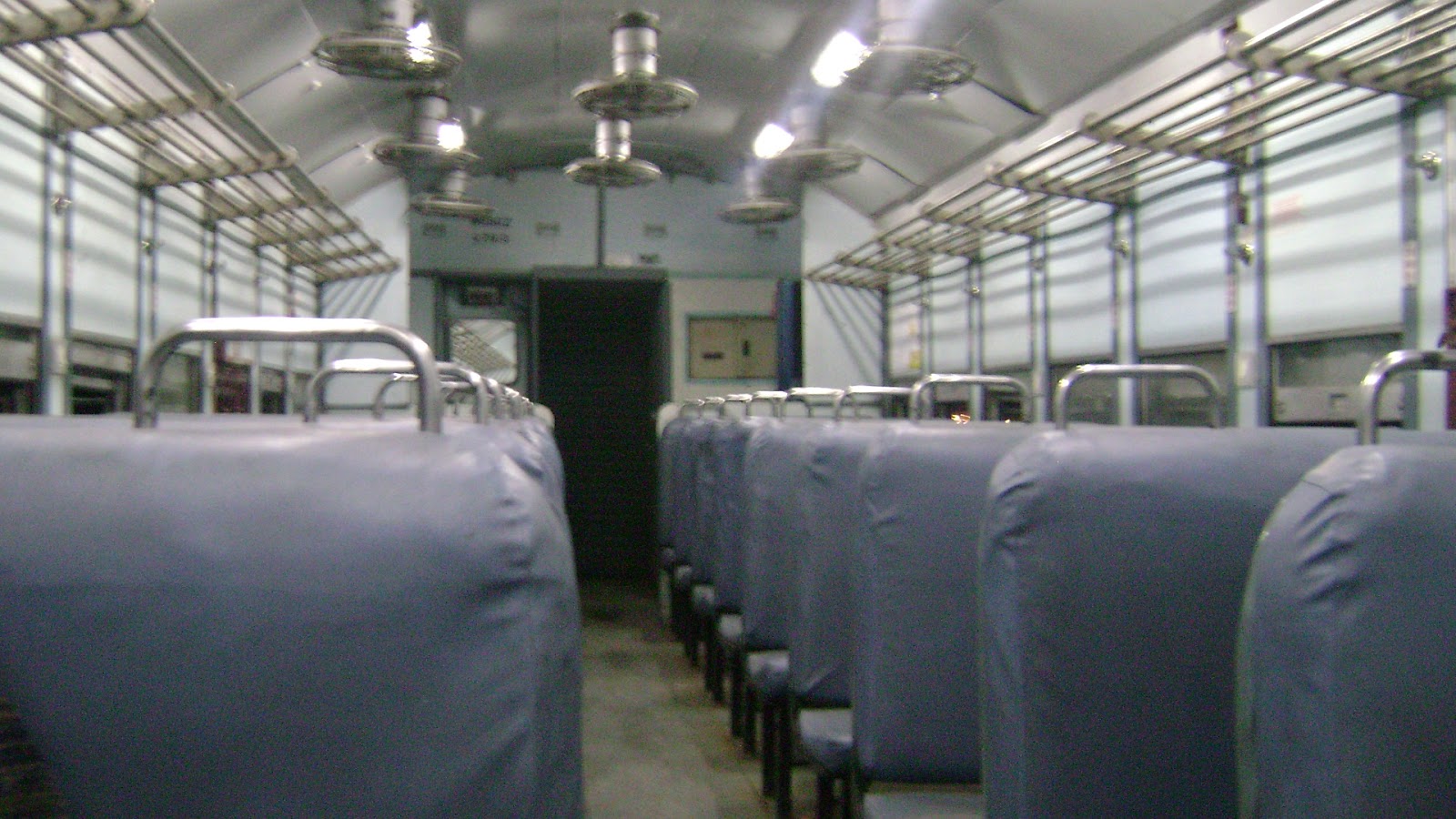
Local train from Siliguri to…? chugging without passenger and running at a snail's speed

Tuesday, April 17, 2012

Back to Where we Begun


A few weeks ago, our second semester started. I told myself, "Back to square one." And honestly, that's life, isn't it? Whatever we dream, whatever we do, and whatsoever life lingers on—it's always back to the square. Back to the square until death. But some mates try to break the rules of nature. I myself wanted to. The result? I joined the semester late. Good that I was late, because some didn't show up for weeks. (At the back of my mind, though, a tiny voice whispers: learning is the first priority. I ignore it professionally.)

One fellow (name withheld, but he knows who he is) has the habit of turning up to class once in a blue moon—maybe when the moon is also feeling generous. He spends all his time wheedling with his life's wife, and hearsay has conjectured that he might be scared of his partner's affairs with trespassers… he he. During the last semester (our first semester), he only showed up to write the exams. God alone knows what he scribbled. Let his result come. I'm pretty sure I will take his place if he succeeds. That's how confident I am in his mysterious methods.

Let me now write about how we survived our first semester exams. Uh… to start this true narration is a disturbing one. It upsets me. I become slightly eccentric. Some might say more eccentric. Good things come, yes—but bad things lurk right behind them.

I've written so many exams. Let me count. I've studied for sixteen years. Every year: two exams, no fewer than seven subjects. So 16 × 14 = 224 exams. Two hundred and twenty-four times of pure, unadulterated dread. I sometimes wonder what benefit I've gained. The only benefits I can confidently name are fear, tension, and a lot of hair loss. My pillow looks like a shedding sheep.

And now, after seven years of giving exams to students, here I am—taking exams again. Hard nut to crack. The stories of exam tension, exam miscreants, and bullies fill the air like a bad perfume during exam season.

I have a friend who wins through his talks. His speeches are like the outbursts of a dam—rowdy, overpowering, delivered through hard-loud sound. He can subdue anyone with sheer volume. Such a tongue is needed in many affairs, especially while buying stuff from certain Indian cheaters. He cuts the price to half using only forceful words. I like to call his language "bazaar language"—rough, crude, and effective. People who know him simply say, "He speaks like that," or "His nature is like that." But this nature "like that" doesn't work everywhere. He has given me full liberty to use his name in any writing. He always asks me to write his full name: Omar Khalid Hashim. "Hashim," he says. It's nice that his name becomes legendary. Anyways, this legend—this roaring lion—was once caught in a net. He too suffered the consequences of rowdy talks.

An unlucky university exam it was. The final paper. Hashim wrote something on his question paper that was not supposed to be there. Two or three words. The stern supervisor found out. Asked why. And Hashim unleashed his bazaar language. The supervisor went mad—not the fun kind of mad—hearing the noise. "Why are you speaking like that?" Intense exchanges followed. The whole exam hall got disturbed. The supervisor took the paper. Hashim got barmier. He rushed after him. More exchanges outside the room. Somehow, Hashim lost his time. The paper was finally returned with a warning: last one. Such is the advantage of a good talker in a disadvantaged situation. Roar, and sometimes they roar back.

Everything is back to square one this second semester. Our lectures. Our superfluous debates. Everything. Everything. Except our HOD for Gender Studies, Dr. Umashankar, left the college. We miss his sweety-moot-y, crafty-witty talks on masculinity, femininity, and trans-gender. Nevertheless, our new HOD plus Gender lecturer, Dr. Prabha, will continue the noble human tradition of stereotyping sex. Good! Some things change. Some things just get a new name tag.

Thursday, April 12, 2012

The Pain of Missing


My loving place,
I would like to go.
My mind inclines there always—
but here I am.
Under the control of life,
control of human.
What I have decided:
to face.
Thinking of my home,
streams of tears fall.
(Also, my nose gets embarrassingly runny.)

Once the lovely secrets I had—
I regret now I had not told you.
And the faithless acts I had done—
I regret.
Forcing the times, I don't think I would.
Throttling the feelings of pains,
thinking of you,
tears drop relentlessly.
(And yet, somehow, no one brings me tissue.)

What is this for?
Samsaric is the world for me.
Wherever I go,
it is sadness only.
There is no ending to my sorrows.
(But the Wi-Fi is surprisingly good.)

Even if we come together
because of the fate we have,
we have to part.
Growing through these sorrows,
life's ending.
I pray to God:
What's wrong with this?
Look after me.
(And if possible, send snacks.)